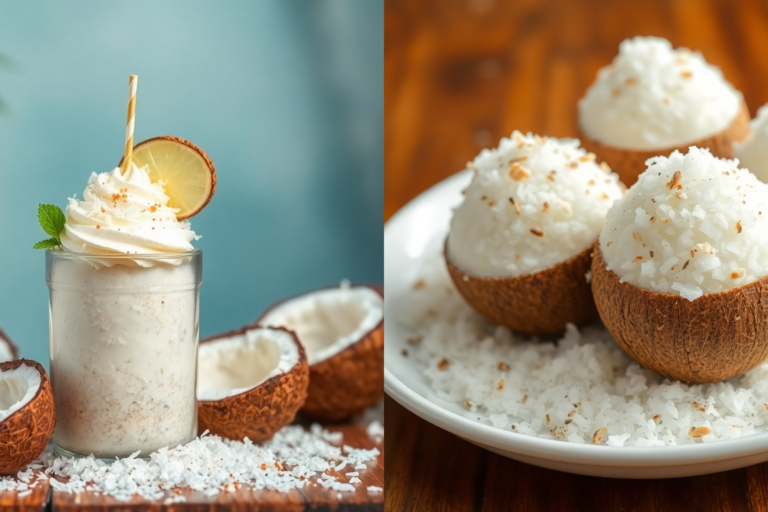
Introduction to Grated Coconut: A Versatile Ingredient in Baking
Brief Overview of Grated Coconut and Its Role in Baking
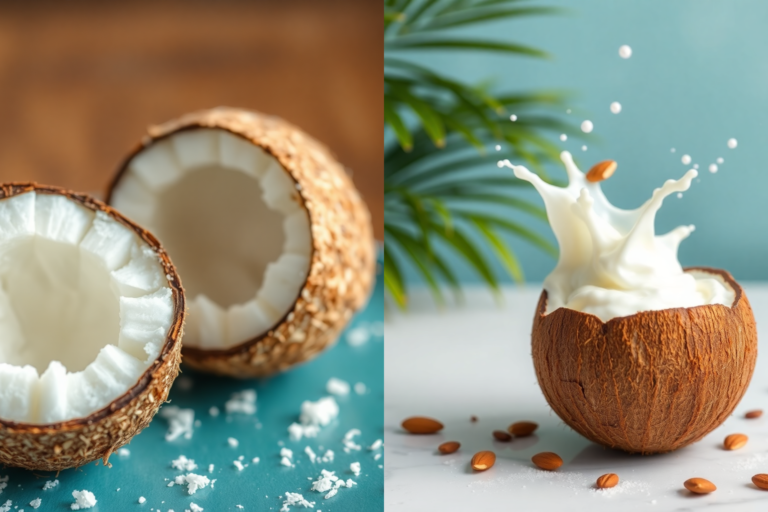
Grated coconut, also known as shredded coconut, is derived from the white flesh of mature coconuts. It is created by grating or shredding the coconut meat into fine or coarse pieces and then often drying it to enhance its shelf life and flavor. Grated coconut plays a significant role in baking, adding both flavor and texture to a wide variety of recipes.
In the world of baking, grated coconut is utilized in several ways: it can be mixed into doughs, sprinkled on top of baked goods, or used as a primary ingredient in recipes such as coconut macaroons, cakes, and cookies. Its versatility makes it a popular choice for adding a tropical flair to baked treats and for enhancing the texture of various dishes. The nutty, slightly sweet flavor of grated coconut complements a wide range of other ingredients, making it a valuable addition to both traditional and modern baking.
Overview of Its Flavor, Texture, and Nutritional Benefits
Flavor: Grated coconut imparts a mild, sweet, and slightly nutty flavor to baked goods. This flavor profile enriches the overall taste experience, providing a subtle hint of the tropics without overpowering other ingredients. The natural sweetness of grated coconut can also help to reduce the need for additional sugars in recipes.
Texture: The texture of grated coconut can vary depending on how finely it is shredded. Coarse grated coconut provides a satisfying crunch and chewy texture, which can add depth to cookies, bars, and other baked items. Finely grated coconut, on the other hand, blends seamlessly into batters and doughs, contributing to a smooth consistency while still delivering a hint of texture.
Nutritional Benefits: Grated coconut is more than just a flavorful addition; it also offers several nutritional benefits. It is rich in dietary fiber, which aids in digestion and promotes a feeling of fullness. Additionally, grated coconut contains healthy fats, particularly medium-chain triglycerides (MCTs), which are known to support energy levels and metabolic health. It also provides essential vitamins and minerals such as iron, copper, and magnesium, which contribute to overall health and well-being.
In summary, grated coconut is a versatile ingredient in baking, offering a delightful combination of flavor, texture, and nutritional benefits. Its ability to enhance both the taste and the health profile of baked goods makes it a cherished component in many recipes. Whether used as a primary ingredient or a flavorful topping, grated coconut brings a unique and enjoyable element to the baking process.
Coconut Macaroons: A Sweet and Chewy Delight
Description Coconut macaroons are a classic treat known for their sweet and chewy texture. These delightful cookies are made primarily from grated coconut, which gives them their signature coconut flavor and texture. The combination of grated coconut, egg whites, and sugar creates a simple yet irresistible dessert that’s perfect for any occasion.
Key Ingredients
Grated Coconut: The star of this recipe, grated coconut is finely shredded coconut flesh that adds a chewy, moist texture to the macaroons. It’s essential to use fresh, unsweetened grated coconut to ensure the best flavor and texture.
Egg Whites: Egg whites are crucial for binding the grated coconut together. They provide structure and help the macaroons hold their shape during baking. Be sure to beat the egg whites until stiff peaks form to achieve the right consistency.
Sugar: Sugar adds sweetness to the macaroons and helps caramelize the edges during baking. The amount of sugar can be adjusted based on your sweetness preference.
Baking Tips
Ensure a Good Mix of Grated Coconut and Sugar: To achieve the optimal texture for your macaroons, it’s important to mix the grated coconut thoroughly with the sugar. This ensures that the sweetness is evenly distributed throughout the coconut mixture, leading to consistent flavor and texture in each cookie.
Use Parchment Paper for Even Baking: Line your baking sheet with parchment paper before placing the macaroons on it. Parchment paper helps prevent the macaroons from sticking to the sheet and promotes even baking. This results in a uniform golden-brown color and prevents the bottoms from becoming too dark.
Consider the Consistency of the Grated Coconut: The texture of the grated coconut you use can affect the final outcome of your macaroons. For a chewier cookie, use finely shredded grated coconut. For a more textured, slightly crispier macaroon, opt for coarser grated coconut.
Forming the Macaroons: When shaping the macaroons, use a small ice cream scoop or a spoon to ensure uniform size. This helps them bake evenly and look consistent. Slightly pack the grated coconut mixture into the scoop or spoon to help the macaroons hold their shape during baking.
Monitor Baking Time Closely: Since macaroons can brown quickly, keep an eye on them as they bake. Remove them from the oven when the edges are golden brown and the tops have a slightly crispy texture, but the centers should still be soft.
By following these tips and using high-quality grated coconut, you’ll be able to bake coconut macaroons that are perfectly sweet, chewy, and full of delightful coconut flavor. Enjoy them as a delicious snack or a charming addition to any dessert table.
Coconut Layer Cake: A Delicious and Moist Delight
Description: The Coconut Layer Cake is a decadent and moist dessert that showcases the rich, tropical flavor of grated coconut. This cake features a tender crumb, infused with grated coconut both within the batter and as a delightful topping. The grated coconut adds a subtle sweetness and texture that complements the cake’s light and fluffy texture, making it an irresistible treat for any occasion.
Key Ingredients:
- Grated Coconut: Essential for both the cake batter and as a topping, providing a rich coconut flavor and delightful texture.
- Flour: Forms the base of the cake and provides structure.
- Eggs: Bind the ingredients together and contribute to the cake’s moistness.
- Sugar: Adds sweetness and helps achieve a tender crumb.
- Baking Powder: Helps the cake rise and become fluffy.
Baking Tips:
- Fold Grated Coconut into the Cake Batter: To ensure that the grated coconut is evenly distributed throughout the cake, gently fold it into the batter. This technique prevents the coconut from sinking to the bottom and ensures that every bite has a consistent coconut flavor and texture.
- Use Toasted Grated Coconut for Added Texture and Flavor: For an extra layer of complexity, toast the grated coconut before incorporating it into the batter. Toasting the coconut brings out its natural nuttiness and adds a pleasant crunch that enhances the overall texture of the cake.
- Incorporate Grated Coconut into the Cake Topping: After baking, generously sprinkle additional grated coconut on top of the cake. This not only enhances the visual appeal but also adds a deliciously crisp texture that contrasts beautifully with the soft, moist cake layers.
Instructions:
Prepare the Ingredients:
- Preheat your oven to 350°F (175°C). Grease and flour your cake pans.
- Toast the grated coconut in a dry skillet over medium heat until golden brown. Set aside to cool.
Make the Batter:
- In a large bowl, sift together flour and baking powder.
- In a separate bowl, beat the eggs with sugar until light and fluffy.
- Gradually add the flour mixture to the egg mixture, alternating with milk, and mix until just combined.
- Gently fold in the grated coconut until evenly distributed.
Bake the Cake:
- Divide the batter evenly between the prepared cake pans.
- Bake for 25-30 minutes, or until a toothpick inserted into the center comes out clean.
- Allow the cakes to cool in the pans for 10 minutes before transferring them to a wire rack to cool completely.
Assemble and Frost:
- Once the cakes are completely cool, frost them with your favorite frosting.
- Generously sprinkle additional toasted grated coconut on top and along the sides for a beautiful finish.
Conclusion: This Coconut Layer Cake, enriched with grated coconut in both the batter and as a topping, is a perfect dessert for coconut lovers. Its moist texture, combined with the subtle sweetness and delightful crunch of toasted coconut, makes it a memorable treat for any celebration. Follow these baking tips to ensure that the grated coconut is evenly distributed and adds the best possible texture and flavor to your cake. Enjoy this delicious slice of tropical paradise!
Coconut Muffins with Grated Coconut
Description: Coconut Muffins are a delightful treat, characterized by their light and fluffy texture, enriched with the distinct flavor of grated coconut. These muffins offer a perfect balance of sweetness and moisture, thanks to the incorporation of grated coconut both in the batter and as a topping. The result is a deliciously soft muffin with a hint of tropical coconut flavor that makes it a favorite for breakfast or a snack.
Key Ingredients:
- Grated Coconut: Adds a chewy texture and a burst of coconut flavor to the muffins. Opt for unsweetened grated coconut to control the sweetness of the muffins.
- Flour: Provides the base structure for the muffins.
- Baking Soda: Acts as a leavening agent to help the muffins rise and become fluffy.
- Eggs: Bind the ingredients together and contribute to the muffin’s texture and richness.
- Butter: Adds moisture and richness to the muffins, ensuring a tender crumb.
Baking Tips:
Incorporate Grated Coconut for Enhanced Flavor: When preparing the muffin batter, fold in the grated coconut gently. This will ensure an even distribution throughout the batter, infusing each bite with a delightful coconut flavor. The grated coconut not only adds taste but also contributes to the muffin’s moist texture.
Prepare a Coconut Glaze for Extra Sweetness: For an added touch of sweetness and a glossy finish, consider preparing a simple coconut glaze. Mix powdered sugar with a bit of milk and a small amount of grated coconut. Drizzle this glaze over the cooled muffins to give them an extra coconutty sweetness and an attractive appearance.
Choosing the Right Grated Coconut: Use unsweetened grated coconut to avoid overpowering the muffins with excessive sweetness. Sweetened grated coconut can be used if you prefer a sweeter muffin, but be mindful of reducing the amount of added sugar in the recipe.
Texture Considerations: For a slightly different texture, you can toast the grated coconut before adding it to the batter. Toasted grated coconut will impart a richer, nuttier flavor and a pleasant crunch to the muffins.
Avoid Overmixing: When mixing the grated coconut into the batter, mix until just combined. Overmixing can result in dense muffins, so fold the ingredients gently to maintain the light and airy texture.
Preparation Steps:
Preheat the Oven: Preheat your oven to 375°F (190°C) and line a muffin tin with paper liners or grease the cups.
Prepare the Batter: In a large bowl, whisk together the flour, baking soda, and a pinch of salt. In another bowl, cream together the butter and sugar until light and fluffy. Add the eggs one at a time, beating well after each addition. Stir in the grated coconut, ensuring an even mix.
Combine Wet and Dry Ingredients: Gradually add the dry ingredients to the wet ingredients, mixing until just combined. Be careful not to overmix.
Spoon the Batter: Divide the muffin batter evenly among the muffin cups, filling each about two-thirds full.
Bake: Bake in the preheated oven for 18-20 minutes, or until a toothpick inserted into the center comes out clean.
Cool and Glaze: Allow the muffins to cool in the pan for a few minutes before transferring them to a wire rack to cool completely. If desired, drizzle with the coconut glaze before serving.
Conclusion: Coconut Muffins featuring grated coconut are a delicious way to enjoy the tropical flavor and texture of coconut. By incorporating grated coconut into the batter and optionally adding a coconut glaze, you can create muffins that are moist, flavorful, and visually appealing. These muffins make a perfect addition to any breakfast spread or as a satisfying snack throughout the day. Enjoy the delightful taste of grated coconut in every bite!
Coconut Streusel Topping
Description Coconut Streusel Topping is a deliciously crunchy addition to cakes, bars, and crumbles. This topping, made with grated coconut, offers a delightful texture and a hint of tropical flavor. The grated coconut blends perfectly with flour, sugar, and butter to create a golden, crispy crust that enhances the overall taste and appearance of your baked goods. Ideal for adding a sweet, nutty crunch, this streusel topping is a versatile ingredient that complements a variety of desserts.
Key Ingredients
- Grated Coconut: The star ingredient of the streusel topping, grated coconut adds texture and a subtle coconut flavor. Use unsweetened grated coconut to control the sweetness and avoid overwhelming the other flavors in your recipe.
- Flour: Provides structure and helps bind the grated coconut with the butter and sugar.
- Sugar: Adds sweetness and helps the topping caramelize to a golden brown color.
- Butter: Binds the ingredients together, contributing to the crumbly texture and rich flavor of the streusel topping.
Baking Tips
- Prepare the Ingredients: Start by gathering all your ingredients. Measure out the grated coconut, flour, sugar, and butter. If you prefer a finer texture, you can pulse the grated coconut in a food processor for a few seconds.
- Mix the Ingredients: In a bowl, combine the grated coconut with flour and sugar. Cut the butter into small pieces and add it to the mixture. Use a pastry cutter or your fingers to blend the butter into the dry ingredients until the mixture resembles coarse crumbs. The grated coconut should be evenly distributed throughout the mixture.
- Apply the Topping: Once your cake, bars, or crumble is partially baked (about 10 minutes before it’s done), sprinkle the coconut streusel topping generously over the surface. This will allow the topping to bake into a crispy, golden layer.
- Finish Baking: Continue baking your dessert as directed in your recipe. The topping will become golden brown and crunchy. Keep an eye on it during the final minutes of baking to ensure it doesn’t burn.
Tips for Best Results
- For a more intense coconut flavor, lightly toast the grated coconut before mixing it into the streusel.
- To achieve an even more crumbly texture, chill the butter before cutting it into the mixture.
- If your recipe calls for a very moist or wet batter, consider adding a bit more flour to the topping mixture to ensure it stays crumbly.
Incorporating grated coconut into your streusel topping adds a delightful texture and a touch of tropical sweetness that enhances a wide range of baked goods. Whether you’re topping a rich chocolate cake or a fruity crumble, the crunchy, caramelized grated coconut streusel is sure to impress.
Conclusion Using grated coconut in your streusel topping provides both flavor and texture that elevate your baked treats. By following these tips and incorporating grated coconut correctly, you’ll achieve a topping that is both visually appealing and delectably crunchy. Enjoy experimenting with this versatile ingredient and savor the delicious results!
Coconut Energy Bars
Description
Coconut Energy Bars are a delightful homemade treat featuring a chewy, nutty texture, thanks to the inclusion of grated coconut. These bars are an excellent option for a quick and nutritious snack, packed with energy-boosting ingredients. The grated coconut adds a distinctive flavor and texture, making these bars a satisfying choice for a mid-day pick-me-up or post-workout snack.
Key Ingredients
- Grated Coconut: This is the star ingredient, offering a rich, nutty flavor and a chewy texture. Grated coconut is made from the flesh of mature coconuts, shredded and dried.
- Oats: Provide a hearty base and contribute to the bar’s chewy consistency. Oats are also a great source of fiber and nutrients.
- Nuts: Adding nuts like almonds, walnuts, or cashews enhances the flavor and boosts the nutritional profile of the bars with healthy fats and proteins.
- Honey or Syrup: Acts as a natural sweetener and binder, helping to hold the mixture together and add a touch of sweetness.
Baking Tips
Combine Grated Coconut with Other Ingredients: To achieve the desired chewy texture, ensure that the grated coconut is well mixed with the oats, nuts, and sweetener. This combination creates a balanced texture and flavor profile in the energy bars.
Press Mixture Firmly into the Pan: For uniform bars and to ensure they hold together well, press the mixture firmly into the baking pan. This step is crucial for preventing the bars from falling apart once cut.
Allow Bars to Set Properly: After baking, let the bars cool completely in the pan before cutting them into pieces. This helps the bars firm up and makes them easier to handle.
Store Properly: Store your grated coconut energy bars in an airtight container. They can be kept at room temperature for a few days or refrigerated for longer freshness.
Instructions
Prepare the Ingredients: Gather your grated coconut, oats, nuts, and honey or syrup.
Mix Ingredients: In a large bowl, combine the grated coconut with the oats and chopped nuts. Stir in honey or syrup until everything is evenly mixed.
Press Mixture into Pan: Line a baking pan with parchment paper and press the mixture evenly into the pan using the back of a spoon or your hands. Make sure it is compacted well.
Bake: Preheat your oven to 350°F (175°C) and bake the mixture for 15-20 minutes, or until the edges are golden brown.
Cool and Cut: Allow the bars to cool completely before lifting them out of the pan and cutting them into squares or rectangles.
Benefits of Using Grated Coconut
Incorporating grated coconut into your energy bars not only enhances the flavor but also adds nutritional benefits. Grated coconut is rich in fiber, healthy fats, and essential nutrients like manganese and copper. These contribute to sustained energy levels and support overall health.
Grated coconut is versatile and can be used in various recipes beyond energy bars, such as granola, smoothies, or as a topping for yogurt. Its unique texture and flavor make it a valuable ingredient in healthy snacks.
Enjoy the homemade coconut energy bars as a wholesome, tasty option that combines the nutritional benefits of grated coconut with other wholesome ingredients for a balanced snack.
Conclusion
Grated coconut is an incredibly versatile ingredient that can elevate a variety of dishes with its unique texture and subtle sweetness. Its ability to enhance both sweet and savory recipes makes it a valuable addition to any kitchen.
Summary of the Versatility of Grated Coconut in Baking
Grated coconut is a fantastic ingredient to use in baking, offering a delightful crunch and a rich, nutty flavor to a wide array of baked goods. Whether you’re preparing cookies, cakes, muffins, or bread, grated coconut can be incorporated into the batter or used as a topping to add extra texture and taste. The natural sweetness of grated coconut pairs well with a range of flavors, from chocolate and fruit to spices and nuts. Its versatility allows it to be used in various baking applications, making it a staple in both traditional and innovative recipes.
Encouragement to Experiment with These Ideas for a Variety of Textures and Flavors
Don’t be afraid to get creative with grated coconut in your baking endeavors. Experiment with different amounts and forms of grated coconut—whether fine or coarsely shredded—to discover how it affects the texture of your baked goods. You can use grated coconut to create a chewy, moist consistency in cakes or to add a crunchy topping to muffins and granola bars. Mixing grated coconut with other ingredients, such as spices, dried fruits, or chocolate, can lead to exciting new flavor combinations. By exploring these possibilities, you can enhance the taste and texture of your recipes, making them uniquely your own.
Tips for Incorporating Grated Coconut into Other Recipes for Added Nutrition and Taste
In addition to baking, grated coconut can be a valuable ingredient in various other recipes, offering both nutritional benefits and enhanced flavor. Here are a few tips for incorporating grated coconut into your everyday cooking:
Smoothies and Shakes: Add a handful of grated coconut to your smoothies or protein shakes for a boost of texture and a touch of natural sweetness. It also adds valuable fiber and healthy fats.
Breakfast Dishes: Sprinkle grated coconut over your morning oatmeal, yogurt, or chia pudding to add extra texture and flavor. It pairs well with fresh fruits and nuts, creating a satisfying and nutritious breakfast.
Salads and Dressings: Mix grated coconut into salads for a tropical twist or use it in homemade dressings to add a nutty flavor. It complements a range of salad ingredients, from leafy greens to fruits and vegetables.
Savory Dishes: Incorporate grated coconut into savory recipes such as curries, soups, and rice dishes. It can add depth to the flavor profile and enhance the overall taste of the dish.
Snacks: Use grated coconut in energy balls, bars, or homemade granola for a nutritious snack option. It provides a satisfying crunch and a boost of healthy fats.
By incorporating grated coconut into various recipes, you can enjoy its numerous health benefits and delicious taste while adding nutritional value to your meals. Embrace the versatility of grated coconut and let it inspire creativity in your cooking and baking adventures.